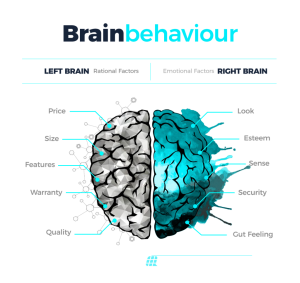
Let’s be honest—no one wants generic marketing anymore. In a world where attention is limited and expectations are high, your audience is looking for experiences that feel tailored to them. That’s where behavioral marketing comes in. Instead of guessing what people want, this strategy lets you respond to what they’re already doing.
For brands ready to explore deeper connections, behavioral marketing is a game-changer. It’s all about observing user behavior—like which pages they visit, how long they stay, or whether they abandon a cart—and then adjusting your message in real-time to meet them where they are.
What Is Behavioral Marketing (and Why It Works)
Behavioral marketing uses data from real user actions to create more personalized, relevant marketing experiences. Rather than sending the same message to everyone, you respond to signals like:
- A user browsing a service page but not contacting you
- Someone abandoning a cart halfway through checkout
- A visitor spending a long time reading a blog post but not converting
These behaviors tell you where a person is on their journey—and with the right tools, you can speak directly to their needs in that moment.
Real-Life Examples of Behavioral Marketing in Action
Here are some simple (yet powerful) ways brands are using behavior to guide strategy:
Exit-Intent Popups:
If a visitor is about to leave your site without converting, a well-timed popup offering a discount or a free resource can catch their attention before they go. It’s your second chance to connect.
Dynamic Emails Based on Activity:
Let’s say someone viewed your services page twice but didn’t reach out. Instead of sending a generic newsletter, behavioral email automation can trigger a targeted message: “Still curious about how we can help? Let’s talk!”
Retargeting Ads:
Ever look at a product, leave, and then see it everywhere you browse? That’s retargeting in action. These ads follow up with users who’ve shown interest but haven’t converted—keeping your brand top-of-mind.
Tools That Power Behavioral Marketing
You don’t need a massive tech stack to get started. Platforms like Google Analytics, Meta Pixel, Klaviyo, ActiveCampaign, and HubSpot all offer behavioral tracking and automation. You can trigger emails, show personalized content, or adjust ad targeting based on real-time behavior.
How Lytron Uses Behavior to Boost Results
At Lytron, we’ve been helping clients go beyond static marketing by weaving behavioral insights into everything—from website experiences to email campaigns. One client saw a 45% increase in conversions after we implemented exit-intent popups and behavior-based email follow-ups. Why? Because the message felt relevant—and that makes all the difference.
Ready to adapt your marketing to real human behavior? Follow us at @lytron.us for more strategies that help your brand connect, convert, and grow.
Because when your message meets your audience at the right moment—it’s not just marketing anymore. It’s an experience. Let’s explore how far it can take you.





 If you own a small business in Pittsburgh, do you really want to devote your time and money to marketing to customers in San Francisco? Or Sydney, Australia? Or China? It all depends on what you are selling.